Product strategy
Creating a cross-brand product strategy for the RVU portfolio
Reframing a portfolio of independently-run brands into a connected ecosystem of shared capabilities, audiences and journeys.
What we did
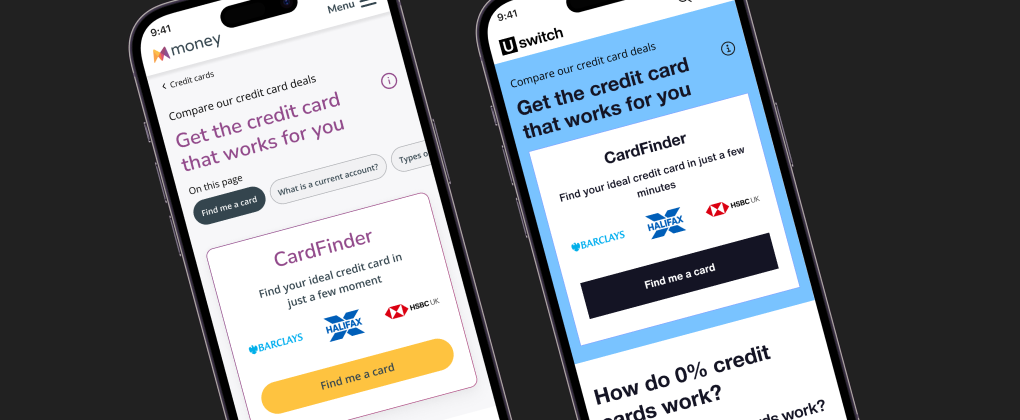
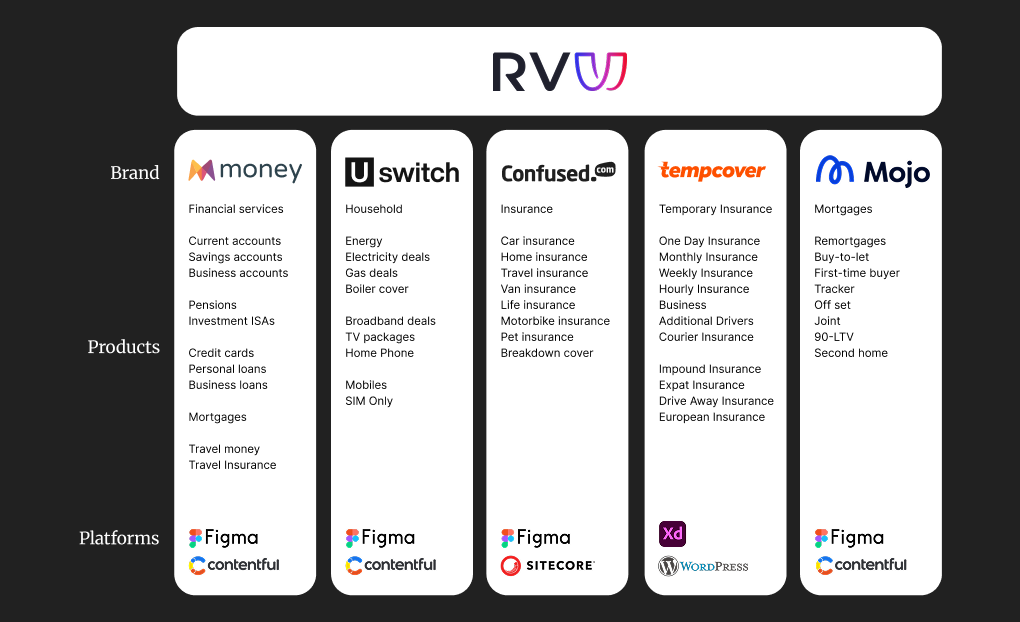
RVU operates a portfolio of well-known consumer brands, each historically optimised in isolation. While these brands shared similar audiences and verticals, teams were structured around their "home brand," limiting visibility, coordination and growth opportunities across the wider ecosystem.
Within Financial Services (money.co.uk), an early shift toward a more vertical-led model beyond a single brand opened up the question of how products and journeys could operate across multiple brands — creating an opportunity to rethink not just execution, but the underlying strategy of how the portfolio functioned as a whole.
Strategy
I led the development of a cross-brand strategy that reframed the portfolio from a set of independent capabilities into a connected ecosystem of shared capabilities, audiences and journeys — identifying where collaboration would unlock exponential value across acquisition, data and customer journeys, while preserving brand identity and differentiation.
Early work centred on surfacing both opportunities and constraints through hands-on project work rather than top-down planning — grounding the strategy in validated learnings, not assumptions, and positioning it for broader organisational adoption.
Opportunities & constraints
Through multiple concurrent initiatives, I used workshops, product experimentation, analytics and UX research to map the landscape across brands.
- Maintaining brand differentiation while increasing collaboration
- Avoiding channel cannibalisation, particularly SEO and acquisition overlap
- Balancing brand autonomy against shared systems and journeys
- Fragmented platform and codebase limitations
Milestones & validation
Rather than centralising delivery, I structured the work so teams across product, engineering and marketing all contributed to the solution's development, ensuring both speed and buy-in — embedding stakeholders early to drive ownership across functions. This phase focused on building and testing scalable enablers, using live projects as validation.
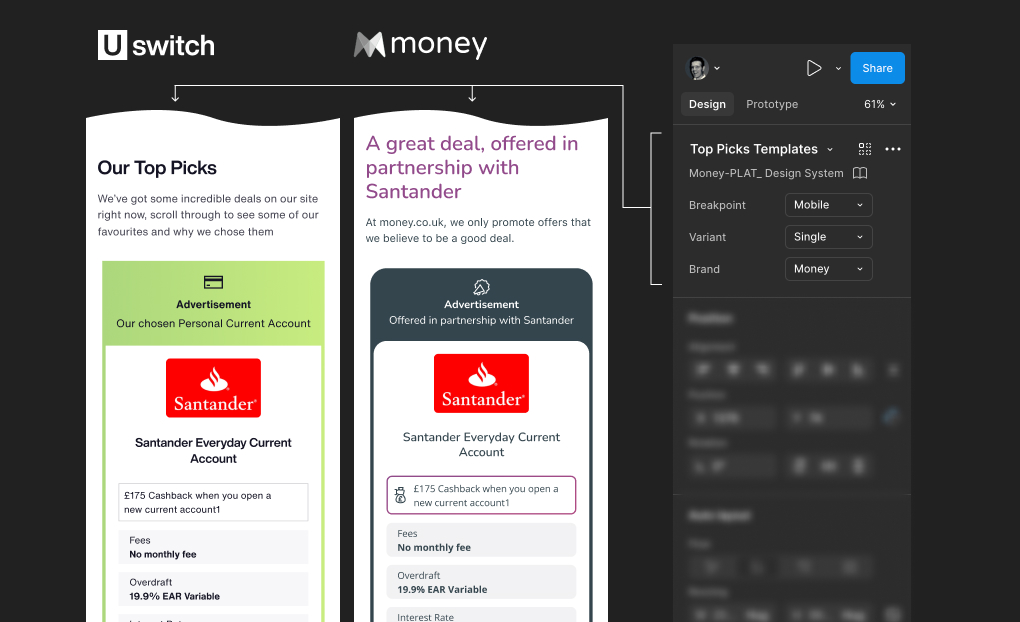
- Cross-brand module library and reusable page templates
- Instruments for brand differentiation within shared experiences
- Tracking and data infrastructure for cross-brand journeys
- Tools focused on cross-selling, basket size and revenue optimisation
Scaling & adoption
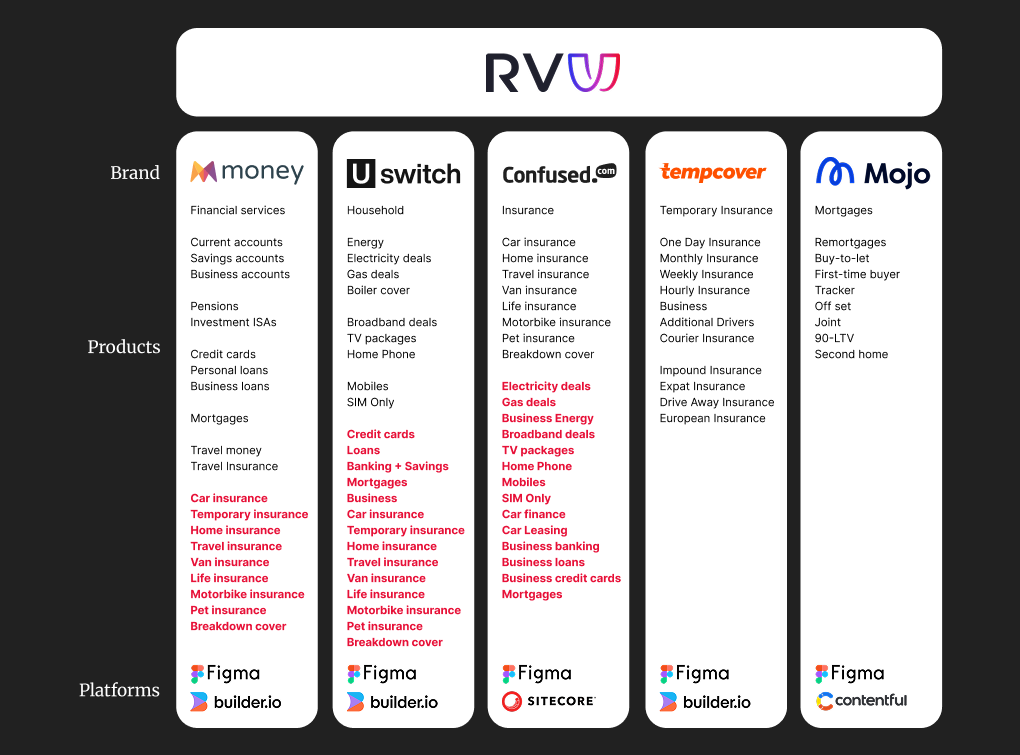
As results emerged, I led the effort to scale the strategy beyond Financial Services into the wider RVU organisation — through a combination of bottom-up validation and top-down alignment. Successes from early tests created momentum, while structured engagement with senior leadership translated this into a formalised strategy. At the executive level, I facilitated cross-business workshops and strategy sessions, aligning stakeholders on a shared roadmap and long-term vision.
Outcome
Created significant opportunities for revenue growth, customer acquisition, operational efficiency, and closer alignment of content and data platforms across brands.
>10x
Projected scale when adopted across all brands
>50%
Of UK households reached through increased touchpoints
£m+
Multi-million revenue from initial cross-brand initiatives
1,000s
Of pages launched using shared modules and templates
Reflection
This work demonstrated how quickly value can scale when moving from brand-centric to ecosystem thinking. Earlier alignment at executive level could have accelerated adoption further, and additional investment in platform standardisation would have reduced technical friction.
The key learning: strategy gains traction faster when it's proven through execution, not just presented as vision.